
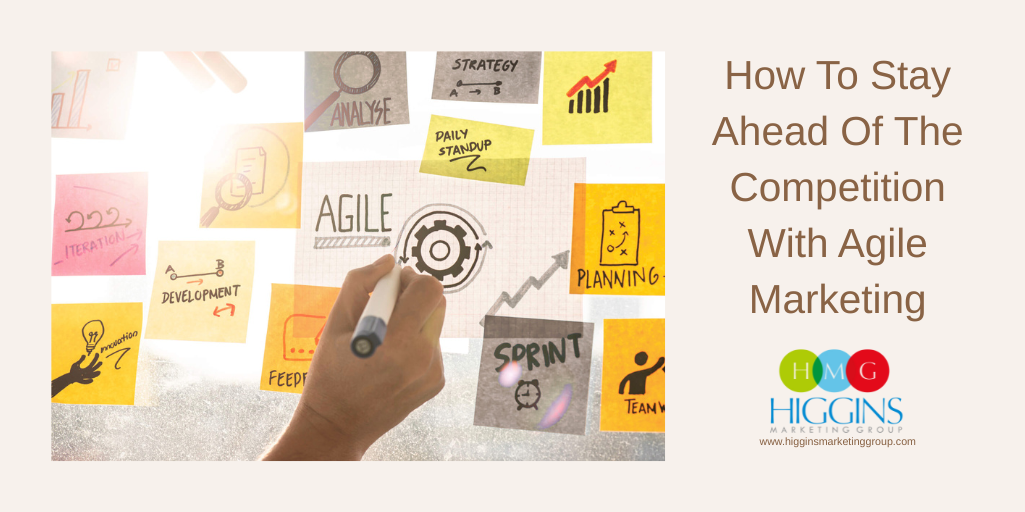
How To Stay Ahead Of The Competition With Agile Marketing
The outdoor living industry is constantly evolving. New design trends, changing customer expectations, and seasonal fluctuations make it essential for small businesses to adapt quickly. That’s where agile marketing comes in.
Originally inspired by agile project management in software development, agile marketing focuses on flexibility, collaboration, and data-driven decision-making. It’s about staying nimble, reacting quickly to new opportunities while keeping your long-term goals in view.
For small outdoor living businesses, agile marketing can mean the difference between reacting to the market and shaping it.
What Agile Marketing Really Means
Agile marketing isn’t about running faster, it’s about working smarter. Instead of creating a rigid, year-long marketing plan that might feel outdated halfway through, agile marketing uses shorter cycles called “sprints.”
Each sprint focuses on testing a few specific ideas, gathering results, and using that data to guide the next move. This continuous loop of planning, action, and improvement helps your marketing stay relevant and effective.
For example, if you notice more engagement on social media when you share before-and-after photos of patio projects, an agile approach lets you quickly shift your focus toward more visual storytelling.
In short, agile marketing keeps you flexible and ready to adjust when customer behaviors, or the market itself, change.
Why It Matters for Outdoor Living Businesses
The outdoor living market is competitive and seasonal. Customers often make purchasing decisions based on trends, weather, and lifestyle changes. Agile marketing helps you keep pace with these shifts by allowing you to pivot fast.
If a new decking material becomes popular, you can update your messaging to highlight it. If people are searching for “low-maintenance backyard ideas” during the heat of summer, you can quickly build a campaign around that.
This approach is especially powerful for small businesses because it doesn’t require huge budgets. It’s about being attentive, creative, and responsive, qualities many small, locally owned outdoor living companies already excel at.
Agile marketing also makes your business more resilient. When a campaign doesn’t perform as expected, you can adjust right away instead of waiting months for results. It helps you stay ahead of competitors who are slower to adapt.
Start Small and Experiment
You don’t have to overhaul your entire marketing process to get started with agile principles. Begin by testing small ideas and seeing what works.
For instance, you might:
- Test two different versions of a Facebook ad to see which image attracts more clicks.
- Send out two email subject lines and compare open rates.
- Try a short blog series on seasonal maintenance tips to gauge reader interest.
By tracking results and making quick adjustments, you’ll learn more about what resonates with your audience.
The goal isn’t perfection, it’s progress. Small, consistent improvements can add up to big wins over time.
If you’re looking to combine flexibility with a solid marketing strategy, Higgins Marketing Group helps small businesses develop adaptable, data-driven marketing plans that evolve as your audience and goals change.
Empower Your Team to Collaborate
Agile marketing thrives on teamwork. Even if your company is small, everyone, from office staff to project managers, can contribute ideas and insights.
Your crews are on the front lines hearing customer feedback. Your sales team sees which offers spark the most interest. Your designers notice what trends clients ask about most.
Bringing these voices together regularly helps you make more informed decisions and react faster. For example, if your installers mention that several recent customers asked about outdoor lighting, that might be your cue to feature lighting solutions in next month’s promotions.
Regular collaboration ensures your marketing reflects what’s actually happening in your business, not just what’s planned on paper.
Measure What Matters
One of the hallmarks of agile marketing is its focus on measurable results. Instead of judging success by how many flyers you distributed or how many posts you published, focus on metrics that truly matter, like leads generated, quote requests, or website visits from local homeowners.
Tracking data allows you to see patterns and make smarter decisions. Maybe you discover that Google Ads bring in more qualified leads than social media ads, or that your newsletter performs best when it includes project photos.
With agile marketing, every campaign becomes a learning opportunity. You’re constantly fine-tuning based on evidence, not guesswork.
Stay Customer-Focused
Agile marketing puts the customer at the center of every decision. By continuously gathering feedback and analyzing behavior, you can anticipate what your audience wants before they even ask.
For outdoor living companies, that might mean shifting focus as homeowners’ needs change. During spring, they might be looking for design ideas. In summer, they’re ready to build. By fall, they’re thinking about maintenance or seasonal upgrades.
Agile marketing helps you stay aligned with these changing needs, ensuring that your messaging always feels timely and helpful, not generic or outdated.
When customers see that you’re responsive and tuned in, it builds trust and keeps your business top of mind.
Keep Learning and Adapting
Agile marketing is an ongoing process. The more you test, learn, and adapt, the more efficient your marketing becomes. Over time, you’ll build a system that naturally responds to trends, customer feedback, and performance data.
It’s not about chasing every new idea, it’s about focusing on what works, refining it, and letting go of what doesn’t.
This mindset helps you maintain steady growth without burning through your budget or spreading your efforts too thin. It’s sustainable, efficient, and well-suited for the fast-changing outdoor living market.
Agile marketing gives small businesses the power to stay competitive in a crowded industry. It encourages experimentation, values teamwork, and prioritizes customer needs, all while keeping your marketing efforts flexible and focused on results.
For outdoor living service businesses, that means being able to respond faster to trends, improve engagement, and build stronger relationships with your audience.
If you’re ready to take a more adaptive approach to your marketing, Higgins Marketing Group can help you develop strategies that evolve with your business and your market.
Not sure yet? Check out our work and let us know when you’re ready.


